The first wave is the job that never gets posted
A colleague told me he will not believe AI is taking jobs until he watches someone he knows lose one. He is going to be waiting a long time, and not because it is not happening.
Waiting for an event that does not happen
I was in a conversation this week where someone said, more or less, it is not real until I see a human lose their job to AI. Then he corrected himself. A human I know.
That is a fair standard. It is also one that will almost never be met, and the reason is the whole point.
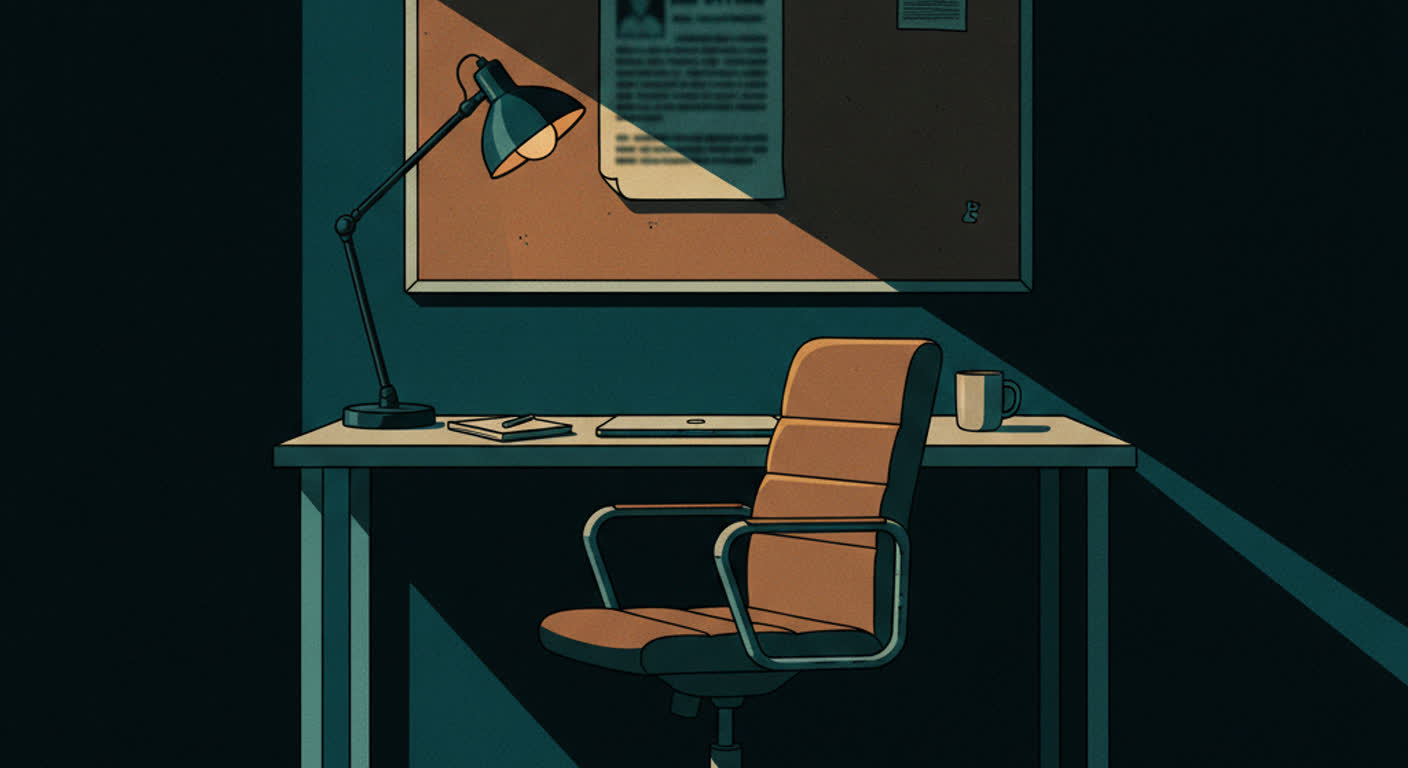
Nobody is going to be walked out of a building because a model can do their work. What happens instead is that a role opens up and quietly does not get filled. The posting goes up, sits there, and comes down. Or it never goes up at all, because someone in a budget meeting looked at the line and decided to try something else first.
There is no event. No last day, no card going round the office. The first wave is a negative, and you cannot see a negative.
Which makes it very hard to argue about
This is why the public conversation is stuck. One side points at unemployment figures that have not moved much and says nothing is happening. The other side points at capability demos and says everything is about to happen.
Both are looking in the wrong place. The thing to watch is hiring intent, and specifically the gap between a business having a problem and a business posting a job about it.
We notice it from an odd angle. When a company around here advertises for an office coordinator, a dispatcher, an accounts clerk, they have just published three facts: there is repetitive work, it is bad enough to hire over, and there is budget attached to it. That posting is the most honest document a business produces all year.
Some of those roles will get filled, and should. Some of them are a person solving a problem that was never really a people problem.

The real barrier is not the technology
Here is the part that surprises people who assume adoption is about capability.
In that same conversation, someone said the thing I hear constantly, just phrased better than usual: how do I get an AI employee is not super obvious.
He is right, and it is a strange failure. The tools are available, mostly cheap, and improving monthly. What is missing is the bit in the middle. Someone has to look at how a specific business actually runs, find the work that repeats, and connect the two. That is not a software problem.
And underneath it sits something more uncomfortable, which I have now watched happen in a dozen conversations. Ask an owner what their team does all day, in detail, and a lot of them cannot tell you. Not because they are bad at their job. Because nobody has ever had a reason to write it down.
You cannot hand off work you have never described.
Amplifier, not replacement
I do not think we are heading somewhere cinematic. I think this is an amplifier, and amplifiers are neutral about what they amplify.
Put it in the hands of someone who was already building something and they build more of it. Put it in the hands of someone who was already cutting corners and they cut more, faster. It makes you a more capable version of whatever you already were, which is a genuinely unsettling thought depending on who you have met.
That is also why I am less worried about the obvious villains than about the quiet ones. The people who are plainly out for themselves tend to be easy to spot and not especially good at it. The ones worth watching are the people in positions of real use who have never had to say out loud what they actually think the rest of us are for.
Whether this goes well is not a technical question. It is a question about whether the people holding the lever decide the community they are standing in matters.
What to do with that if you run a business
Nothing about this requires you to have an opinion on the future of work. It requires one much smaller thing.
Pick the job you keep pushing to next month. The receipts, the quoting, the follow ups you never send, the report nobody has time to build. Write down what actually happens when a human does it, step by step, in plain language.
That document is the whole project. Once it exists, deciding what to automate is easy, and it stays useful whether you hire a person, buy software, or do nothing at all.
The businesses that come out of this well will not be the ones who guessed right about the technology. They will be the ones who understood their own work well enough to hand parts of it over on purpose, rather than finding out later which parts quietly left.
← Back to all posts