I built a tool that tells me what to build next
Every SaaS is just three things. Some input. Some process. Some output. I built a tool that picks which ones we should copy ourselves. The first run found something I didn't expect.
The rule
We build stuff. We don't rent it. Each bill is a vendor we can't drop without redoing their job. Doing it ourselves on day one is always the cheap path.
It works. We swapped a video tool that cost a thousand bucks a year for a pipeline that runs us five. We swapped a deliverability dashboard for a fifty line script. Six tools built this quarter.
The rule has a flaw. The math takes hours. By the time you finish the math, the SaaS would have cost less. So you skip the math. So the rule stops working.
The tool
I built a tool that does the math in under a minute. You give it a website. It scrapes the page. It checks our list of tools and skills. It asks a smart model one question. Which features can we already build, and which would be new work? It picks one of four answers. Build it all. Build the small version. Try a piece first. Just pay for it.
That is it. Three hundred lines of code. The whole trick is that our agents already know what we have built. Asking the model "what should we build next" with that list in front of it is a different question than asking the model cold.
What it found
I pointed it at four sites. Buffer for posting to social media. Apollo for sales contact data. Uptime.com for website monitoring. Whitespark for local search rankings.
Each spec came back with its own moat. Apollo's huge contact list took years and money to build. Uptime's network of probe servers in eighty cities is real hardware. Whitespark's brand and citation list took fifteen years to grow. Buffer keeps eleven different social platforms working at once, which is mostly engineering tax.
That part I expected.
The thing I did not expect. Three of the four are the same thing inside.
Strip the marketing off and they all look the same. Check a thing every few minutes. Save what you got. Tell a human when it shifts. Show the past on a dashboard. What you check is what differs. Uptime checks sites. Whitespark checks Google ranks. Apollo's signal product checks news about firms. Same pipes. Same base part.
The lesson
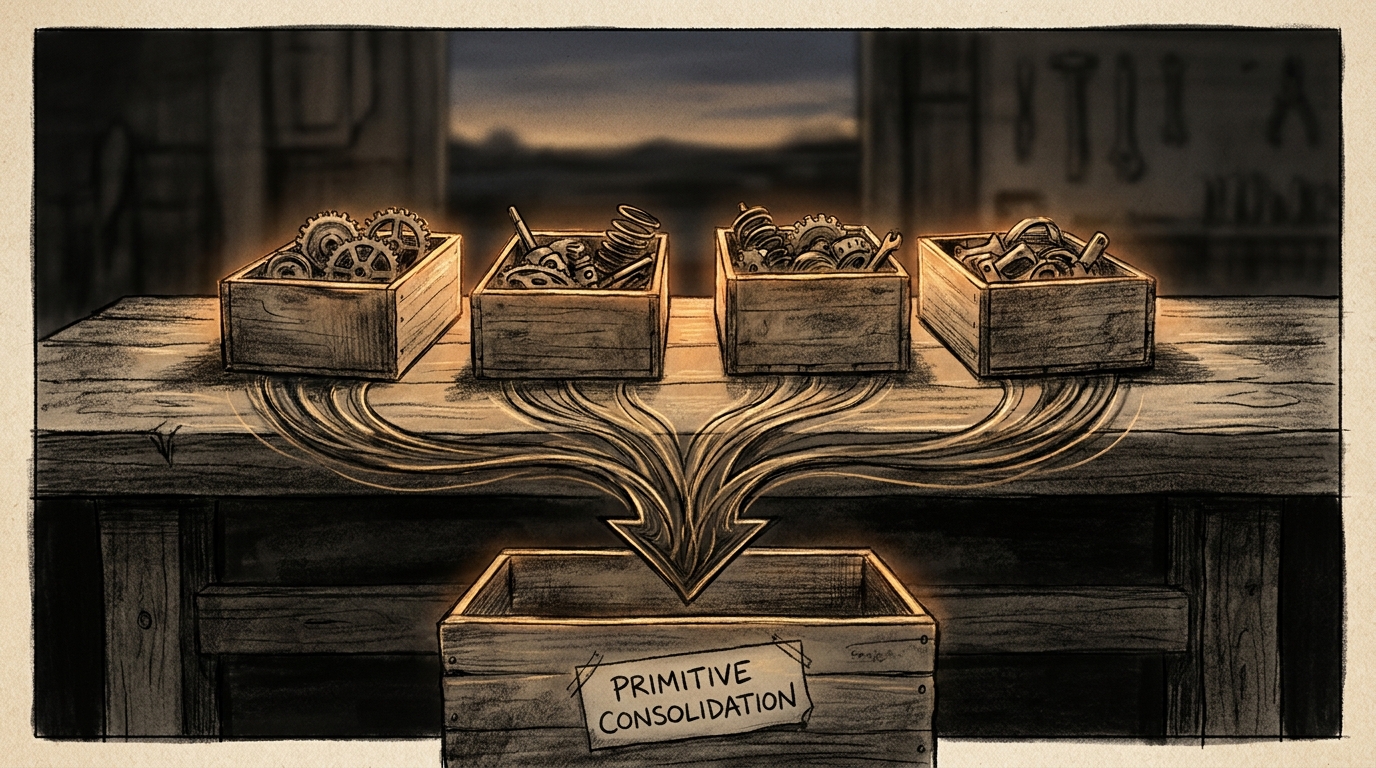
The right move is not to copy three of them. The right move is to build one tool that checks things on a schedule, then plug in different "things to check" for different customers. One core. Three products. One bill of materials.
It makes it easier to compare when you have them side by side. That is what made it helpful to figure this out.
I am running it on twenty more SaaS tonight. If the pattern holds, I will write back.
← Back to blog