I built an AI that calls me out on my own BS
I kept making the same bad call. Over and over. So I built an agent. It catches me before I commit.
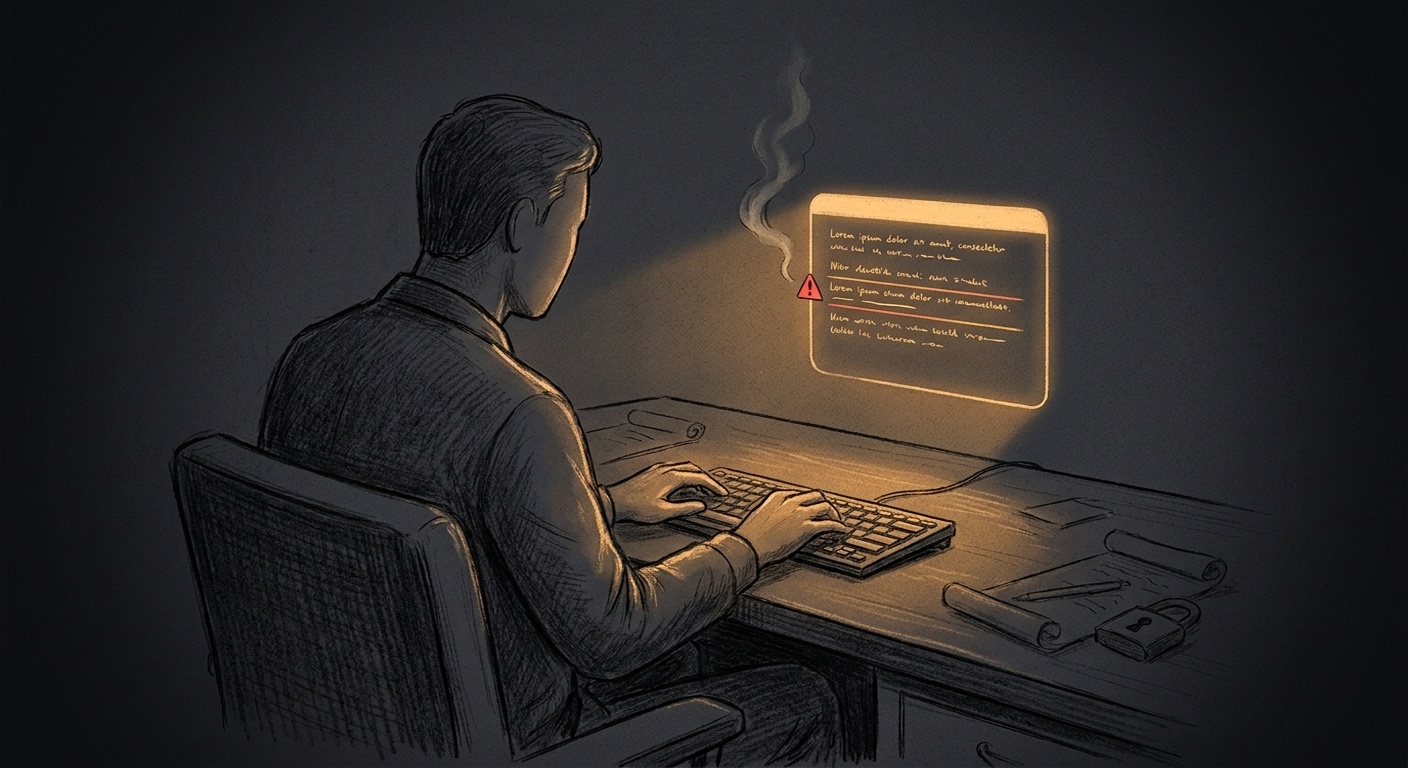
The decisions I kept getting wrong
I saw a pattern. The same mistake kept showing up in new clothes. I would push a hard task to the next day. I would chase output and skip asking if it mattered. I would blame a missed goal on something outside me.
Each one looked reasonable in the moment. Stack them across a quarter and they cost real money. Real momentum. Real days you do not get back.
I read enough Hormozi to know the patterns have names. Blame-shifting. Tomorrow-thinking. Output-obsession. Excuse patterns. I kept the names. I built an agent around them.
What the filter looks for
DecisionReview is a small skill. I paste in a plan. Or a draft message. Or a choice. It runs the text past a checklist. The list comes from notes I saved all year. It hands back flags. And a real, new take on the text.
It hunts for blame-shifting. Sentences that move blame to someone else. "The team did not have time" sounds different from "I did not protect their time." The first is a soft excuse. The second is a thing I can fix.
It looks for tomorrow-thinking. Future tenses that are doing the work of the present. "I am going to start" is not a plan. The flag fires and asks what blocks starting today.
It hunts for output talk. Action words with no outcome. Three blog posts shipped is not a result. Three blog posts that move a number is a result. The flag asks what changed.
It hunts for excuse patterns. The long sentence kind are the worst. You know the ones. They have a "but" or a "because" near the end, doing all the work. The filter grabs that part. Then it asks one thing. Is this a real reason, or are you just talking yourself out of it?
What happens when the filter fires
Most of the time the flags are right. Some of the time I push back. The skill does not have final say. It has a vote. The reframe it offers is usually a sharper version of what I already half-knew.
The reframe matters most. A flag with no fix is just nagging. The skill shows the old line and the new line side by side. Seeing them next to each other is what makes me change my mind. The flag alone does not.
I caught myself once. I was putting off a hard sales call. I dressed it up as "waiting for the right context." That was a story. The filter saw through it. I made the call that day. The call landed.
Where this fits if you run a business alone
When you run a business alone, no one pushes back on your calls. Your spouse is not your partner. Your friends are not your investors. Your customers see the work, not the plan behind it. You can drift for a long time before anyone tells you the truth.
A filter like this is not a swap for a real advisor. It fills the quiet space between talks with one. It runs when you are alone with a draft, your own gut, and no one else to ask.
The weird part of building it was the agent being right about me when I did not want to hear it. It reads my own writing better than I do. It has no stake in the answer. That is why I trust an outside auditor on code I wrote. Distance makes things clear.
If you build one of your own, keep the filter list short. Four to six categories. Make it return the reframe, not just the flag. Run it on every plan that costs you a day or more.
← Back to blog