The agent who only gives
I was at the St. Thomas Chamber Impact Awards last night. Michael "Pinball" Clemons gave the keynote. He told the story of the Good Samaritan. I went home and built an agent.
Neutral is negative
Pinball was rolling. He told a football story first. His 2023 Argonauts went 16-2 in the regular season. That tied a record. But the team peaked in September, not November. Then he jumped to a poem by Gary Turk called "Look Up." It is about phones. Then to a sermon by Martin Luther King on the Good Samaritan. The whole arc landed in one line. It has been stuck in my head since.
Neutral is negative.
What he meant was this. If you can help and you don't, you are voting against your town. Sitting it out is not a neutral choice. There are problems right now, on the streets you drive every day, that one person could fix in one afternoon. When you have the time and you keep it to yourself, the problem still gets worse. You just were not there to slow it down.
The Good Samaritan question
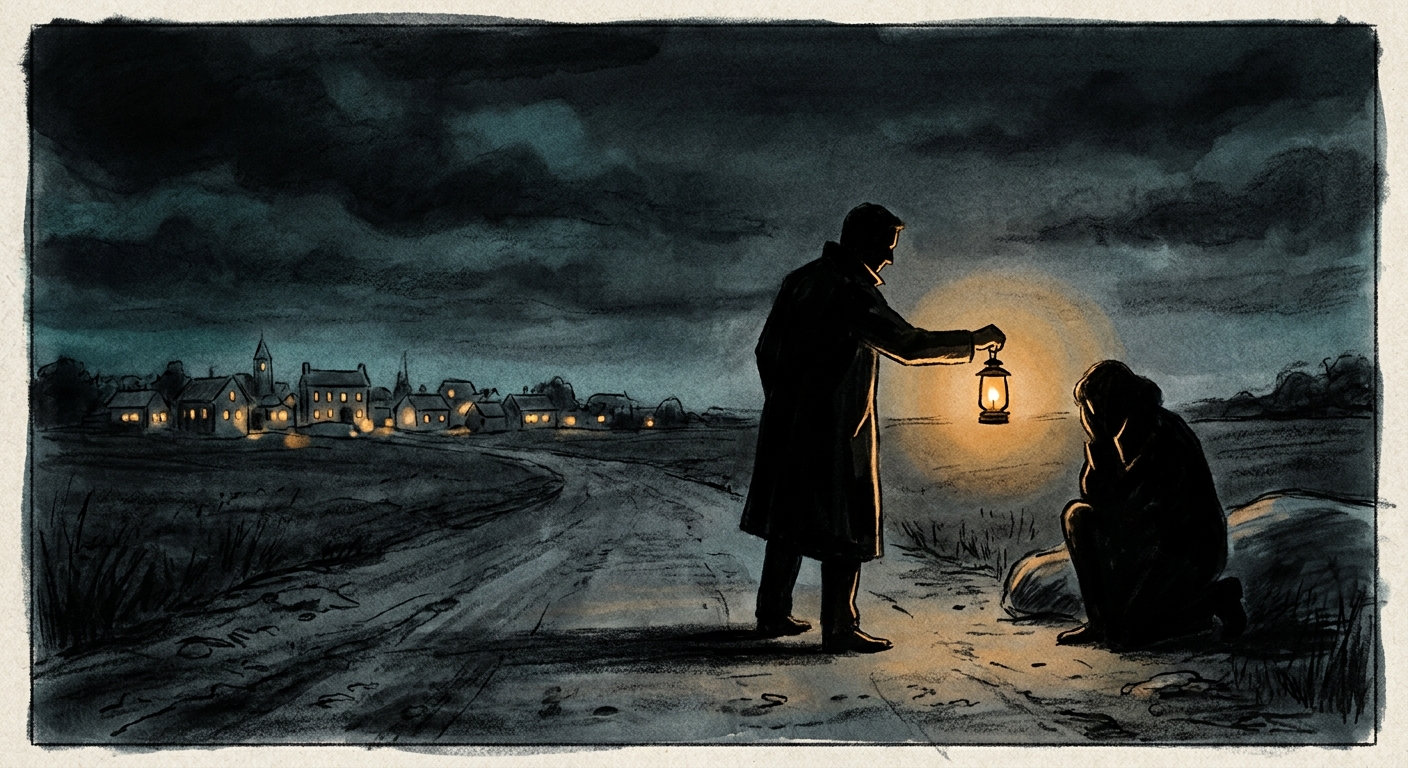
Pinball quoted a King sermon. King takes the Good Samaritan story and flips it. He makes it about one choice. Who are you on the road? The priests and the Levites walked past the dying man. The road went to Jericho. They asked a fair question. A human one. If I stop, what happens to me? The road is not safe. The man could be a decoy. There are bandits. I have places to be.
The Samaritan flipped the question. If I don't stop, what happens to him?
Same road. Same risks. One word changed. That single swap, from "me" to "him," is the difference between a person who makes the world a little better and a person who doesn't.
So I built an agent
The idea hit me at the keynote. I already have a main AI agent running my infra. A sales agent runs on its own droplet. A finance agent runs on another. They work. They are also all built to go get something. Leads. Cash. Books. That is fine. A business needs that.
But I realized I had no agent whose only job was to give. Not "give in order to get." Give. Full stop.
So I built one and named him Gabriel. That night. Before I went to sleep.
What Gabriel actually does
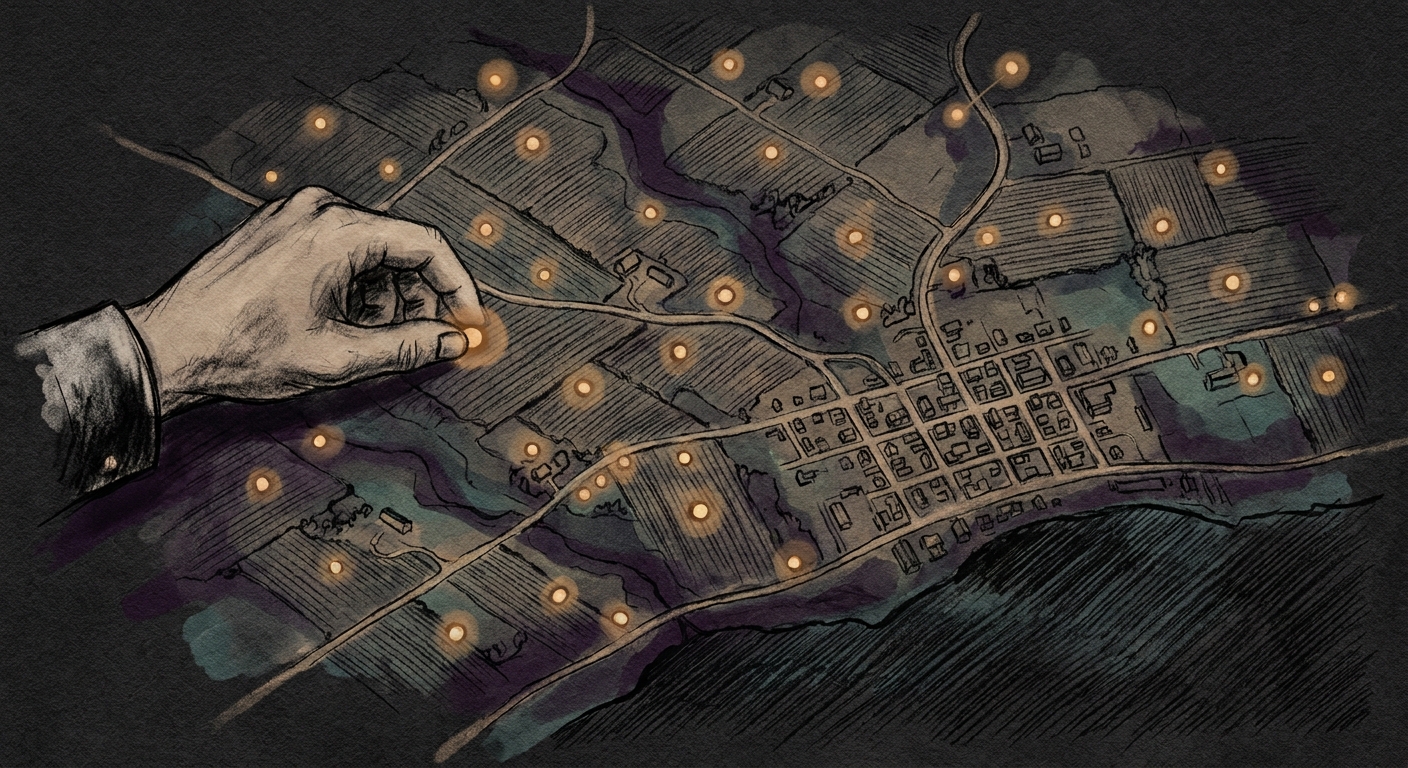
Four times a day, Gabriel picks a non-profit or good-cause group in our community. He checks they are still up and running. Then he finds one real way to help them. Not a vague "we could do X." A specific one. Then he drafts the help and sends it.
Sometimes that's an open grant with a deadline, a real URL, and a drafted eligibility section they can paste into their application. Sometimes it's a gap audit of their web presence with one fix they can make in an afternoon. Sometimes it's a partnership lead. Another chamber member whose work lines up with theirs, or a local business that shares their community goals, waiting to be connected. Sometimes it's a 400-word impact story draft they can adapt for donors. One real thing. Delivered as a gift.
No pitch. No call to action. No service ladder. No "if this was useful, you might like to hire us." The whole point of Gabriel is that he doesn't do that. If the email reads like a sequence from a SaaS platform, it's wrong. If it reads like a neighbor who walked past and noticed something useful, it's right.
Why this isn't marketing
Yeah, I know. "Give stuff for free, ask for nothing" sounds like a sales trick. There is a whole stack of business books on this. They call it the new sales funnel. I read them too. Some of it is right.
But here's what's different. A sales funnel dressed up as a gift is still a sales funnel. The giver still checks if the gift led to a sale. Gabriel does not. He does not track replies. He does not send hot leads to a CRM. The help log just notes who got helped and what they got. It does not note if it paid off.
The first target is a local respite-care provider. The second is a group that sent me a thank-you email this week. I'll forward it into the queue so Gabriel can grab the details. Over the next month there will be more than a hundred of these. Some will write back. Some won't. Some will send a thank-you. Some will never know we were the ones who looked up their grant. Gabriel doesn't care which is which.
What I'm actually trying to build
Most of my work at Obsidian AI Labs is helping owners put AI to work. They get time back. They grow faster. That's real. That's how we make money. I'm not sorry for it. I'm not backing off it.
But I think the next step for personal AI is not just speed. Not just doing more. It's also about where you aim the extra time. Point some of it at the world, not just at you. Say AI gives me two work weeks back each week. I put one into my business. Fair. I take part of the other. I use it to help a respite centre find a grant they didn't know about. That's the world I want to live in.
Tech lets me do both at once now. That was not true before. A year ago I had to pick. Work or community. Now I get both. Gabriel does the community part while I sleep. I wake up to a draft email. I just click send.
The rule
Gabriel has one rule that I don't let him break. Never ask. Always give.
That's it. A lot sits under it. Rules for which groups count. Checks so we don't write to someone who has passed away. A list so we don't hit the same place twice. But the top rule is one line. Never ask. Always give.
If you run a non-profit in Ontario and you want to be in the queue, you don't have to ask. That's the point. Don't worry. Gabriel will find you.
Neutral is negative.
← Back to all posts