
Safety is becoming the most expensive word in AI
This was on CNBC this morning. A US senator laying out federal guardrails for AI. Third party evaluation of the most powerful models. Accountability when companies knowingly deploy dangerous systems. Better reporting of serious incidents. Most of it sounds reasonable, and some of it is. One part of it is how a handful of companies quietly pull the ladder up behind them, and almost nobody in the room has the technical background to notice.
What was actually on the screen
Three proposals. Two of them are the mild kind. Holding a company accountable when it knowingly ships something dangerous is just product liability, and it already applies to every other industry on earth. Better incident reporting is transparency, and transparency usually helps the small players more than it hurts them.
The one to watch is the first. Independent third party evaluation of the most powerful models. On its own that can mean disclosure, which is fine. It can also mean a permission slip to operate, which is not. Same words, completely different world, depending on how it is written.
How safety turns into a moat
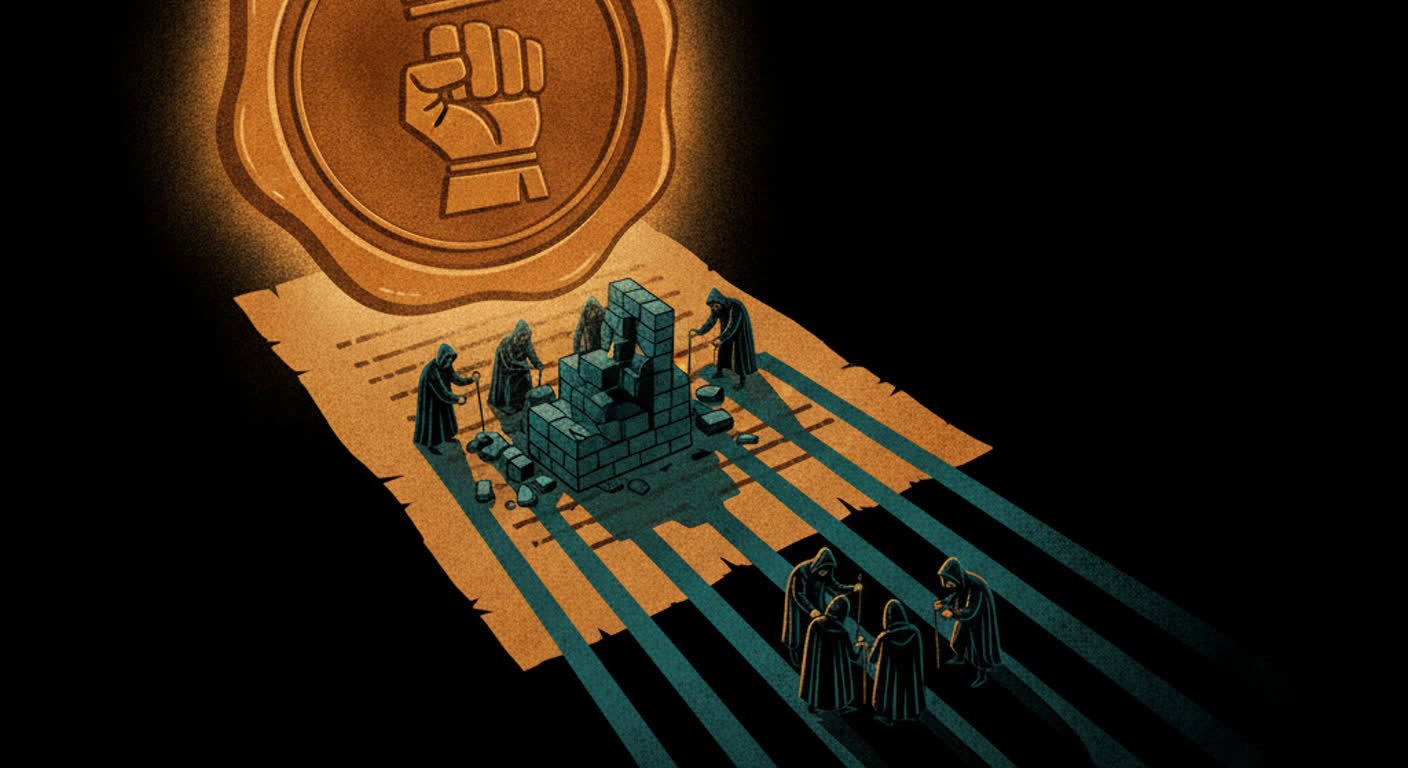
Here is the move, and it is an old one. You take a real fear. You answer it with rules that require a license and an expensive audit. You set the bar just high enough that only the largest companies can clear it. Nobody is actually safer. The biggest labs pass, because they can afford the audit and often helped design the test. Open models and small builders get locked out.
The people who end up protected by the rules are the people who were already ahead. Banking did this. Medicine did this. Telecom did it for a century. AI is next in line, and this time the fear writes itself.
One test for any AI law
You do not need a computer science degree to read these bills. You need one question. Does it target the outcome, or does it gate the capability?
"You are liable if you cause harm" targets the outcome. It keeps the field open, because anyone can build as long as they do not hurt people. "You need approval before you are allowed to build or deploy" gates the capability. That is the moat. Outcome rules protect people. Capability gates protect the biggest players. Watch which one a proposal reaches for, and you will know who wrote it and who it is really for.
Why this matters if you do not run a lab
This is not a fight between tech giants that you get to watch from the outside. If a few firms become the licensed gatekeepers of AI, everyone else becomes a renter. You will use AI on their terms, at their price, with the limits they choose, and you will have no way out, because building your own will be against the rules.
For a small business, that is the whole difference between a tool you own and a landlord you cannot leave.
The shorter version
Some AI safety rules are real and worth having. Punish harm. Require honesty about incidents. Hold companies to account when they knew better. But the moment safety turns into a license to build, stop and ask who clears the bar and who gets locked out. The answer is almost never the little guy.
That is the whole reason we build AI you own. On your tools. On your hardware when it matters. Yours to keep, not yours to rent.
We build AI you own, not AI you rent. Ask me what that looks like.
← Back to all posts